



The Best Diet Approaches for Cancer Support: Evidence, Integrative Strategies & Therapeutic Nutrition
Introduction
Nutrition plays a major role in overall health, immune resilience, inflammation, metabolic function, hormone balance, and quality of life during cancer care. Targeted nutritional strategies may help support conventional treatment, improve metabolic health, reduce inflammation, stabilize blood sugar, maintain lean muscle mass, and enhance recovery.
Different cancers often respond differently to nutritional approaches. Some cancers appear more metabolically sensitive to glucose availability, insulin signaling, inflammation, estrogen dominance, or oxidative stress. Because of this, integrative oncology frequently uses individualized dietary strategies depending on the cancer type, stage, metabolic health, treatment plan, and patient goals.
This guide explores some of the most discussed and researched dietary approaches in integrative oncology, including:
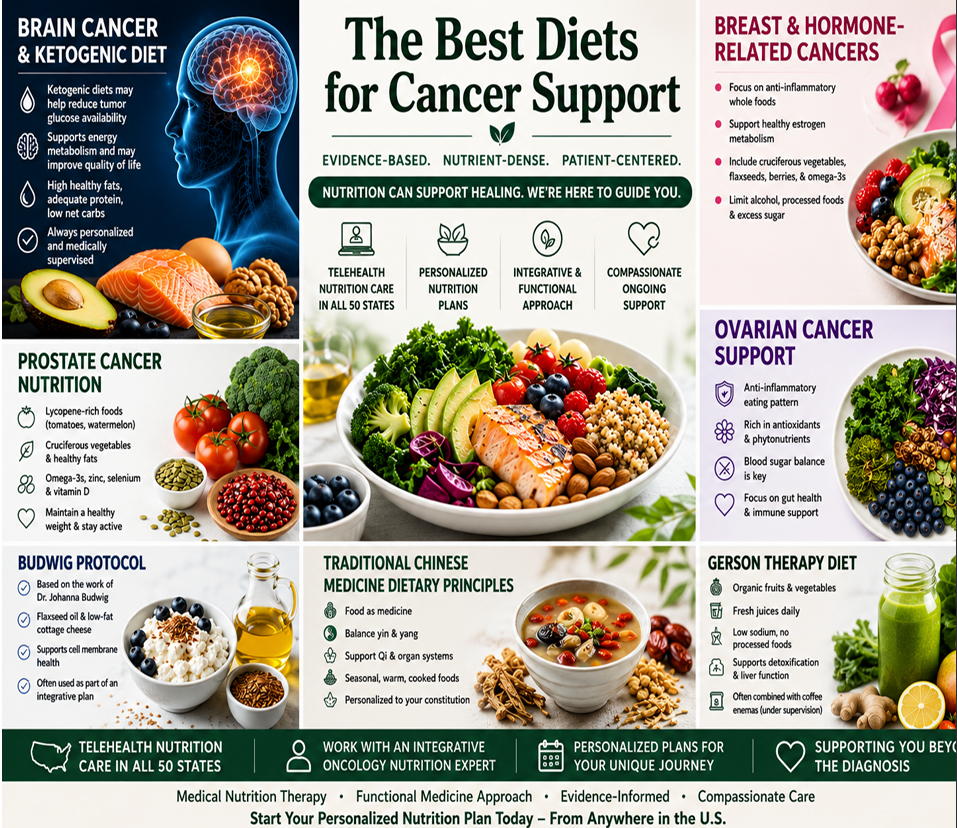
- Ketogenic diets for brain cancers
- Anti‑inflammatory diets for hormone‑related cancers
- Nutritional strategies for prostate, breast, and ovarian cancers
- The Budwig protocol
- Traditional Chinese Medicine dietary principles
- The Gerson therapy diet
- Evidence‑based foundations that support metabolic health during cancer care
Important Note: Dietary therapies should complement—not replace—standard oncology care unless supervised by a licensed oncology team. Patients should always discuss nutritional changes with their physician, especially during chemotherapy, radiation, immunotherapy, or surgery.
Core Principles of an Anti‑Cancer Nutrition Strategy
Reduce Chronic Inflammation
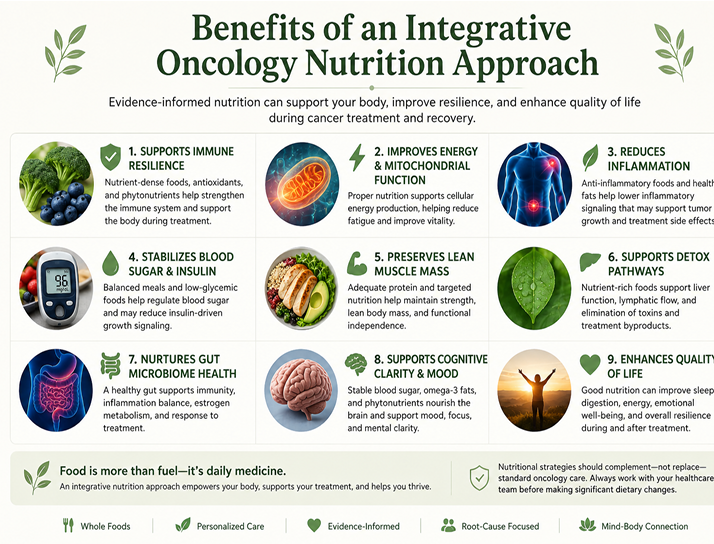
Chronic inflammation may contribute to tumor growth, angiogenesis, and immune dysregulation. Common anti‑inflammatory foods: wild‑caught fish, olive oil, turmeric, ginger, garlic, berries, leafy greens, cruciferous vegetables, green tea, herbs, and spices. Foods often minimized: ultra‑processed foods, excess sugar, refined carbohydrates, industrial seed oils, processed meats, and artificial additives.
Support Blood Sugar Stability
Many tumors rely heavily on glucose metabolism. Elevated insulin and insulin resistance may promote inflammatory and growth‑signaling pathways. Supportive strategies: lower glycemic foods, higher fiber intake, protein‑balanced meals, reduced refined carbohydrates, intermittent fasting (when medically appropriate), and ketogenic or low‑carb approaches in selected cancers.
Preserve Lean Muscle Mass
Protein becomes critically important during treatment to prevent muscle wasting.
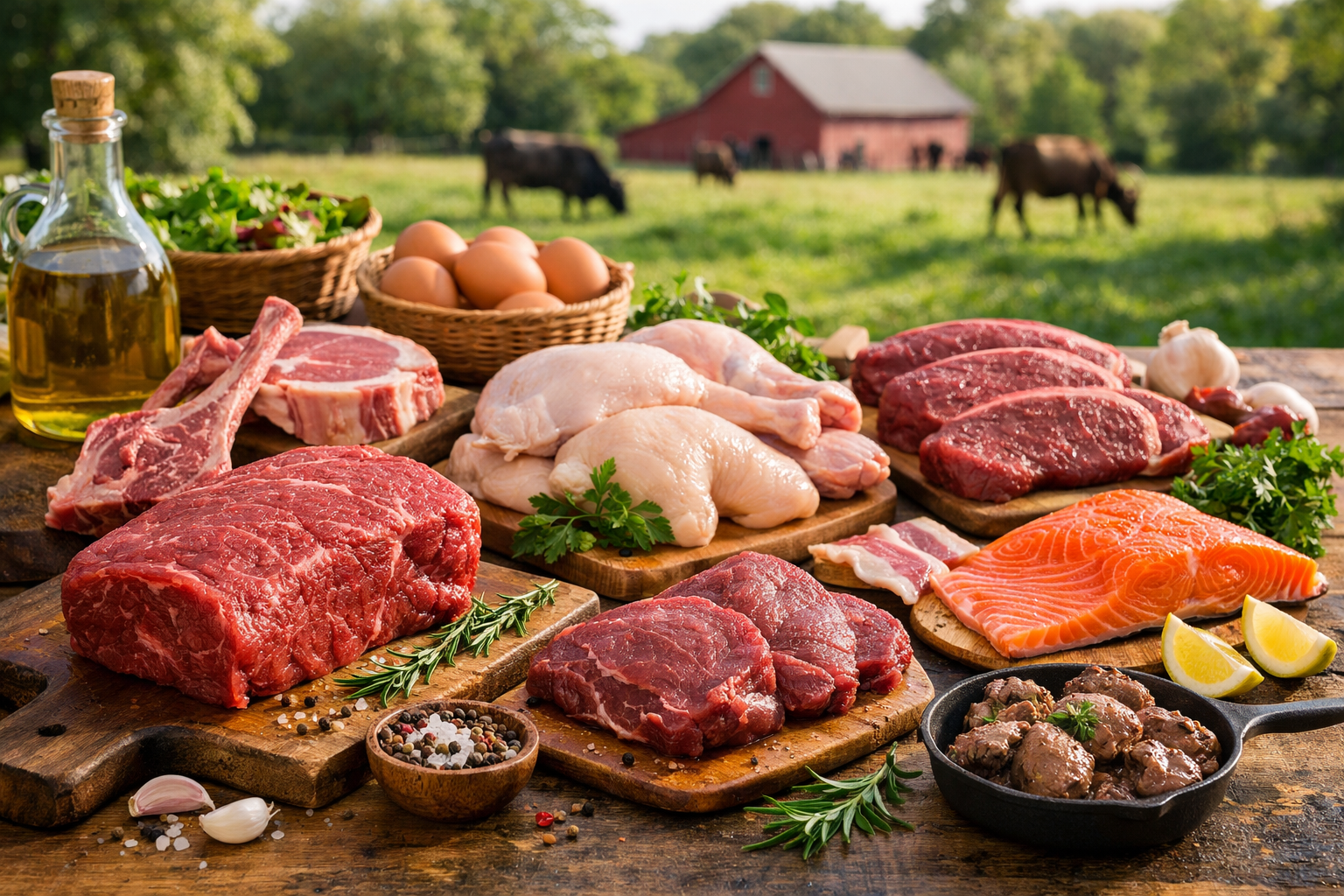
Helpful sources: wild fish, pasture‑raised poultry, eggs, organic tofu/tempeh, Greek yogurt, collagen support, and protein smoothies.
Optimize Detoxification Pathways
Support the liver, lymphatic system, gut, kidneys, and antioxidant systems.
Supportive foods: cruciferous vegetables, beets, cilantro, lemon, fiber‑rich foods, sulfur‑containing vegetables, and hydration with minerals.
Support the Gut Microbiome
The microbiome influences immune function, inflammation, estrogen recycling, and nutrient absorption.
Supportive foods: fermented vegetables, kefir/yogurt, resistant starches, polyphenol‑rich foods, fiber‑rich vegetables, and prebiotic foods.
Brain Cancer & the Ketogenic Diet
Why Keto Is Discussed in Brain Cancer
Brain tumors often demonstrate increased glucose dependence and impaired metabolic flexibility. The ketogenic diet aims to lower circulating glucose, increase ketone production, and reduce insulin signaling.
What a Therapeutic Keto Diet Looks Like
Very low carbohydrate intake, moderate protein, high healthy fats, and strict glucose/ketone monitoring under medical supervision.
Potential Benefits Being Studied
Reduced glucose availability, improved metabolic flexibility, reduced inflammation, and potential synergy with metabolic therapies.
Important Cautions
Not suitable for everyone—monitor for weight loss, nutrient deficiencies, fatigue, or electrolyte imbalance.
Prostate Cancer Diet
Key Nutritional Focus Areas
Reduce inflammation, oxidative stress, and support hormone modulation and cardiovascular health.
Foods Often Emphasized
Cruciferous vegetables, lycopene‑rich foods (tomatoes), omega‑3 fats, and green tea.
Foods Often Reduced
Processed meats, excess dairy, refined sugar, fried foods, alcohol, and ultra‑processed foods.
Breast Cancer & Hormone‑Related Cancer Nutrition
Dietary Goals
Support estrogen metabolism, reduce insulin resistance, improve detoxification, and maintain healthy body composition.
Cruciferous Vegetables & Estrogen Metabolism
Broccoli, kale, arugula, and cabbage support estrogen detoxification pathways.
Fiber & Estrogen Clearance
Ground flaxseed, chia, vegetables, legumes, and berries aid estrogen elimination.
Blood Sugar & Hormone Signaling
Lower sugar intake, balanced protein, and anti‑inflammatory fats help regulate hormone pathways.
Alcohol & Estrogen
Minimize alcohol to reduce inflammatory and hormonal disruption.
Helpful Foods
Leafy greens, flaxseed, berries, mushrooms, green tea, turmeric, garlic, wild fish, and organic vegetables.
Ovarian Cancer Diet Strategies
Goals
Maintain strength, support immune resilience, reduce inflammation, and manage blood sugar.
Key Supportive Foods
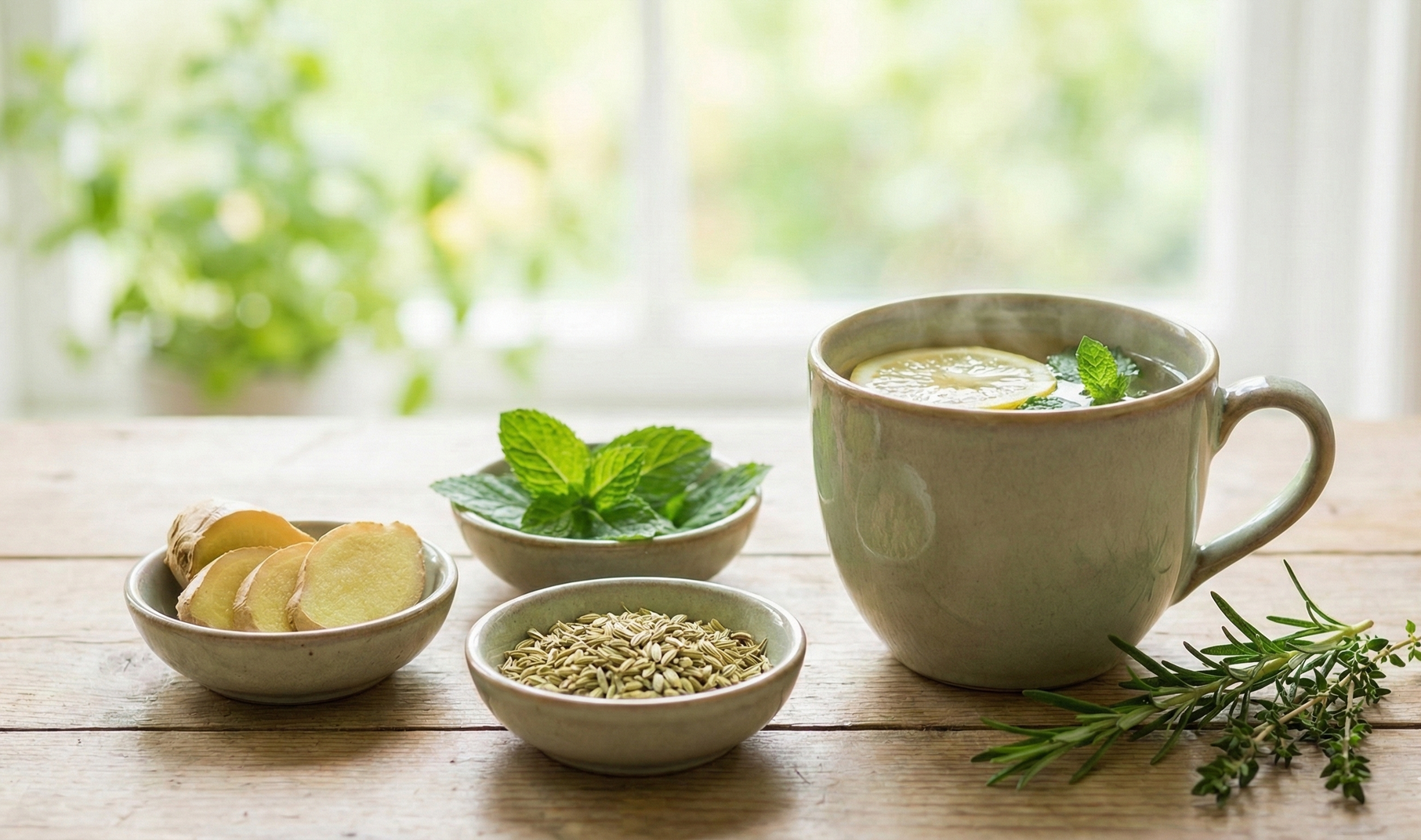
Protein‑dense foods, antioxidant‑rich vegetables, healthy fats, and digestive support options like ginger tea and bone broth.
The Budwig Protocol
Overview
Developed by Dr. Johanna Budwig, combining flaxseed oil and cottage cheese to support cellular respiration and membrane function.
Common Features
Fresh fruits, vegetables, reduced processed foods, sun exposure, and avoidance of hydrogenated fats.
Potential Benefits
Higher omega‑3 intake, reduced processed foods, and improved antioxidant consumption.
Traditional Chinese Medicine (TCM) Dietary Therapy for Cancer Support
Core Principles
Focus on energy balance, digestive strength, circulation, inflammation, and organ system support.
Common TCM Nutrition Practices
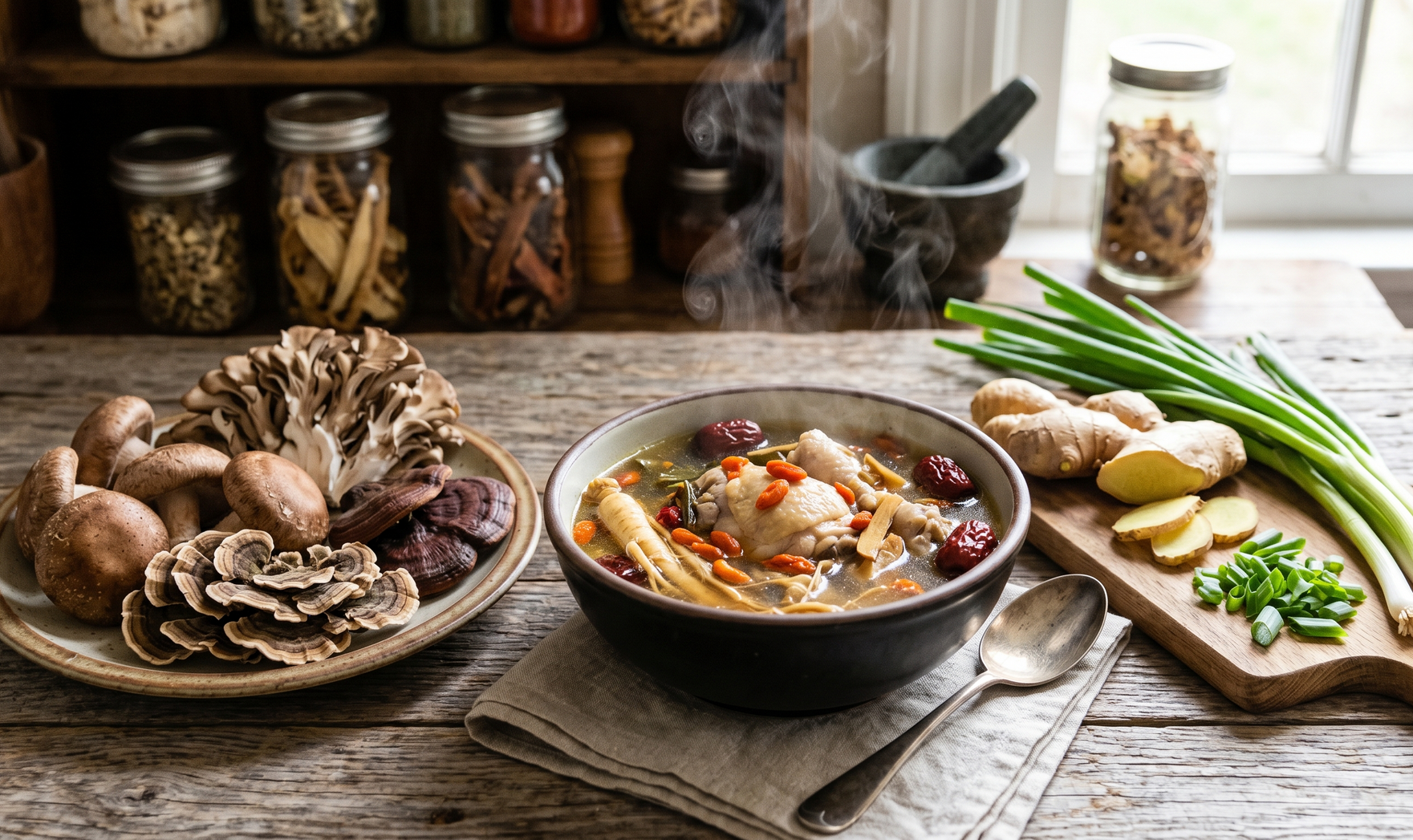
Warm, easy‑to‑digest foods (soups, broths, steamed vegetables) and medicinal mushrooms like reishi, turkey tail, shiitake, and maitake.
Aurora Functional Healthcare